How Often Should You Pressure Wash in a Desert Climate Where There's No Rain to Help?

If you live in Phoenix, Tucson, Las Vegas, or anywhere else in the desert Southwest, you've probably noticed that your home exterior gets dirty in a way that feels different from what people describe in wetter climates. There's no moss, no mildew creeping up the siding, no green algae on the driveway — but there's a persistent layer of dust, mineral deposits, and after monsoon season, a particular kind of caliche-tinged grime that settles into every surface and just sits there. So how often should you pressure wash in a desert climate, and does the conventional wisdom from rainier parts of the country even apply?

Our Services →

How to Remove Hard Water Stains from Concrete Pavers in a Dry Climate

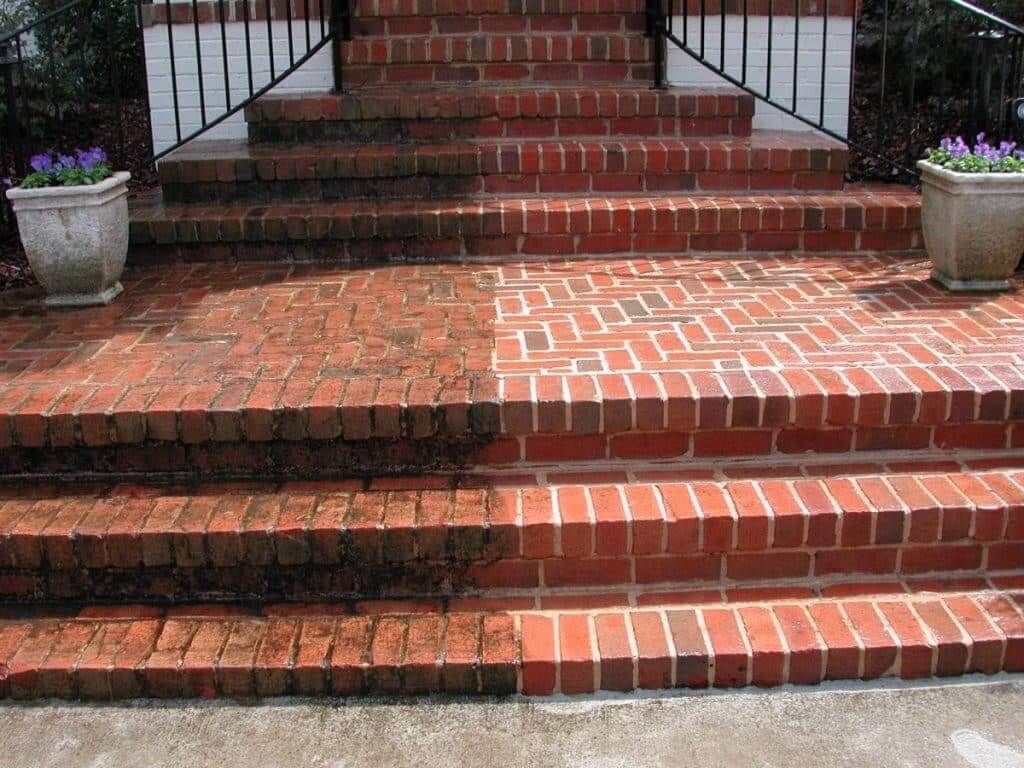
The short answer is that desert homes generally need pressure washing less frequently than homes in humid climates, but the dirt that does accumulate is often more stubborn and more visible against light-colored stucco and concrete than organic growth would be on darker surfaces. Most desert homeowners do well with a thorough pressure wash once a year, with spot treatment as needed after major dust storms or a heavy monsoon season. That's less than the twice-yearly schedule often recommended in the Southeast or Pacific Northwest, where biological growth is a faster and more damaging problem.


The timing of that annual wash matters more than most people realize. In Arizona and Nevada, the monsoon season runs roughly from mid-June through September, bringing dust storms, brief intense rain events, and a specific combination of wet dust and mineral-rich water that dries into a stubborn film on stucco, pavers, and concrete. Washing before monsoon season — late spring, roughly April to early June — is often a waste of effort because the storms will coat everything again almost immediately. The better move is to do your main pressure wash in October or November, after the monsoon season has ended and the worst of the dust has settled. You get a clean exterior heading into the drier, calmer winter months, and it tends to stay cleaner longer.

estimated_quoteArtboard 3

Get a Free Quote

Contact Us


Mesa Pressure Wash


Satisfied Clients

quotes2Artboard 2


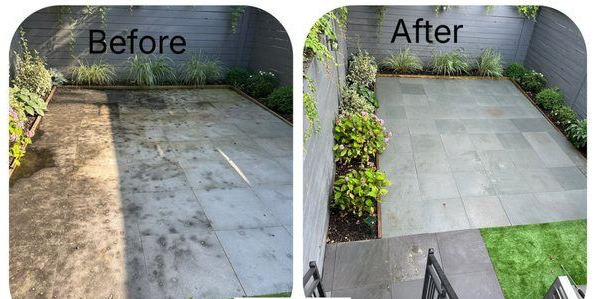
There are surfaces that need more attention than the once-a-year baseline. Driveways and concrete pavers in desert climates accumulate a particular kind of grime — a combination of tire marks, dust that's been wetted and dried repeatedly, and mineral deposits from hard water if you're irrigating nearby landscaping. High-traffic areas around entry points and garage aprons often benefit from a targeted wash two or three times a year even if the rest of the exterior is fine. Pool decks are similar — the combination of sunscreen, mineral deposits from splash-out, and dust creates a film that builds up faster than the surrounding hardscape.


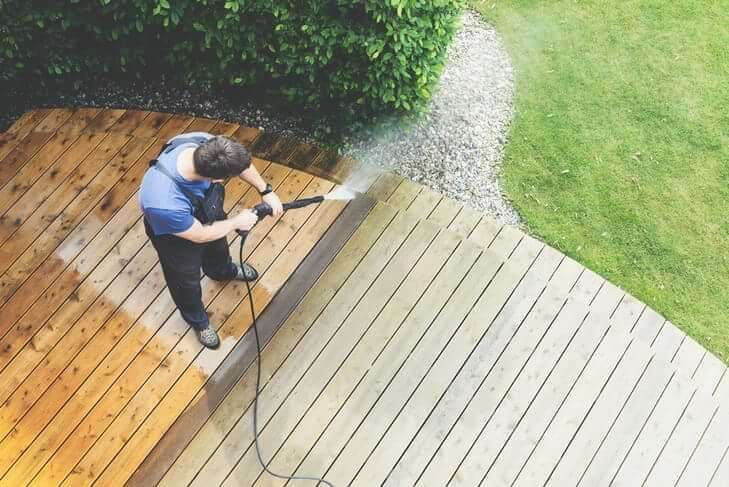
One thing that's genuinely different about figuring out how often to pressure wash in a desert climate is the water quality issue. Desert municipalities typically have very hard water with high mineral content, and if you're pressure washing and letting the water dry on a surface rather than rinsing thoroughly and quickly, you can leave mineral deposits that are harder to remove than the original dirt. This is especially noticeable on windows and smooth stucco. If you're doing the work yourself, working in sections and wiping or rinsing before water dries is worth the extra effort. Early morning is better than midday for the same reason — surfaces and water heat up fast in desert sun, and hot water evaporates before you can clear it properly.


Stucco deserves specific mention because it's the dominant exterior finish in desert construction and it has its own quirks. It's porous, which means it absorbs fine dust at a level that smooth siding doesn't. A good pressure wash with the right nozzle — a wide fan tip rather than a concentrated stream — pulls that embedded dust out effectively. Too much pressure or too concentrated a stream can damage the surface, especially on older stucco that may have hairline cracks. Fifteen hundred to two thousand PSI is generally the right range for stucco; more than that risks forcing water into cracks and causing problems you didn't have before.


The broader point about how often to pressure wash in a desert climate is that you're mostly managing appearance rather than preventing biological damage the way you would in a humid environment. Moss and algae cause real structural problems if left unchecked on roofs and siding in wet climates — they hold moisture and accelerate decay. Desert grime is primarily cosmetic. That doesn't mean it doesn't matter — a dusty, stained exterior affects curb appeal and home value just as much as organic growth does — but it does mean you have more flexibility in timing and frequency without worrying that waiting an extra month is going to cost you structurally.

Mesa Pressure Washing Near Me?